
Deciding between gutter repair or replacement can look obvious when a gutter starts overflowing, leaking, or sagging. Often it is not. The same symptom can come from a clog, one failed connection, poor pitch, a bad downspout route, or a system that has reached the point where replacement makes more sense.
At Maine Gutter Works, we think the best first question is not “Do I need new gutters?” It is “What is actually failing?” This gutter repair or replacement decision tree starts with the symptom, then works toward the least complicated fix that addresses the cause.
Gutter Repair or Replacement: The 30-Second Decision Tree
Start with what you can safely see from the ground.
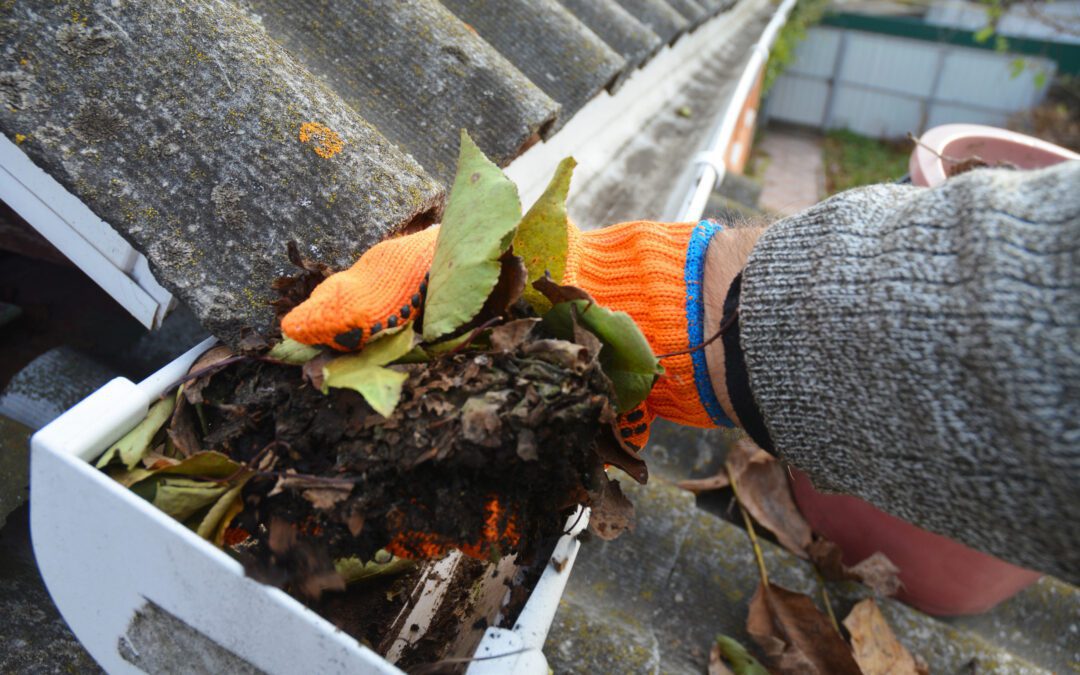
If the gutter is overflowing and you can see leaves, pine needles, or debris near the outlet, cleaning is the logical first step. If the gutter is clean but the same section still overflows, the next questions are pitch, outlet capacity, downspout flow, and roof runoff.
If you see one leak at a corner, end cap, or connection, a targeted repair may be reasonable. If leaks show up along several seams or multiple sections, replacement becomes more likely.
If one short area sags, the issue may be a failed hanger or local mounting problem. If several runs are pulling away or holding water, the problem may involve support, fascia, pitch, or overall system condition.
If the gutter drains but sends water onto a driveway, walkway, or foundation area, the system may need a downspout adjustment rather than replacement.
The basic logic is simple: clean a blocked system, repair a localized failure, replace a system with widespread or repeating problems, and look beyond the gutter when the real issue starts in the roof, fascia, or building envelope.
When Gutter Cleaning Is the Right First Step
Gutter cleaning is often the simplest answer when the system is still straight, secure, and otherwise functional.
Signs that point toward cleaning include visible debris, slow or stopped downspout flow, overflow that started after leaf drop, and a gutter that performed normally before a storm or debris event. Pine needles and roof grit can also collect around outlets and restrict the opening.
Cleaning helps restore the drainage path. It does not correct poor pitch, a loose gutter, damaged fascia, or a downspout that sends water to the wrong place.
If water flows normally afterward, cleaning may have solved the problem. If the same section still holds water or overflows, the system needs a closer look.
Our Gutter Cleaning page explains how we separate debris problems from issues that need adjustment, repair, or replacement.
When a Targeted Gutter Repair Makes Sense
Repair is a good fit when the problem is limited and the rest of the system is still doing its job.
Examples include a loose downspout, one leaking end cap, one corner that needs attention, a localized hanger problem, or one short section that has shifted. A damaged outlet or elbow can also create a problem that looks bigger than it is.
The key is whether the problem is localized. One failed part in an otherwise stable system is different from a gutter line with several leaks, widespread sagging, and standing water in multiple places. Repair should restore a system that is fundamentally sound, not keep a failing layout alive one patch at a time.
We also want to know why the local failure happened. A corner that leaks every winter may point to standing water or freeze-thaw stress. A sagging section may reveal a hanger issue or a weak mounting surface.
When Gutter Replacement Starts Making More Sense
Replacement becomes more reasonable when the problem is spread across the system or keeps coming back after targeted fixes.
Common patterns include multiple leaking seams, repeated sagging, several low spots that hold water, widespread deterioration, or a layout that continues to overflow after cleaning. Older sectional systems can also reach a point where repairing one seam simply leaves the next weak point in place.
Roof geometry matters too. If a valley sends more runoff into one short section than the old system can move, repeated overflow may be a design problem rather than a maintenance problem. The same applies to long runs with too little outlet capacity or downspouts that are poorly placed for the property.
Our gutter repair guide covers the warning signs that a quick patch may no longer be enough. Replacement should solve a system-level problem, not just give the house newer metal.
When the Real Problem Is Not the Gutter
Some symptoms show up at the gutter even though the gutter is not the root cause.
Soft or rotted fascia can make a gutter pull away no matter how good the gutter itself is. A roof leak above the eave can send water behind the gutter. Ice dams can force meltwater where it does not belong even when the gutter is clean. Poor grading can send downspout water back toward the foundation after it reaches the ground.
This is why we avoid treating every leak or overflow as a gutter replacement job.
If the mounting surface is failing, that surface needs attention. If the roof is leaking, a roofer may need to evaluate it. If recurring ice dams are driven by heat loss, air sealing and insulation are part of the long-term fix.
Need help figuring out your gutter problems? Please feel free to reach out to us at (207)392-6572 for a free consultation.
Recent Comments